

Robben Island: A prison that became a symbol of freedom in South Africa
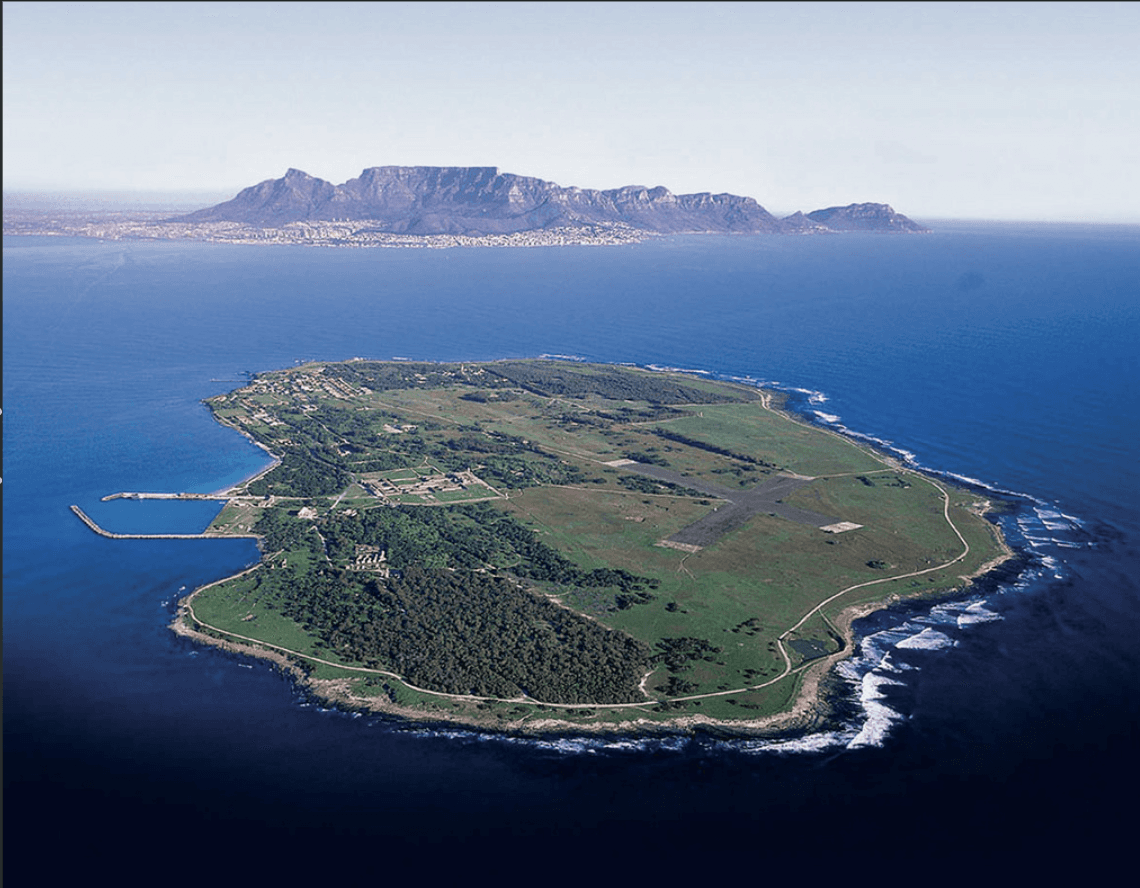
Robben Island is not just a small island in the heart of the Atlantic Ocean, but a living testament to a whole nation's struggle against injustice and racial discrimination. The island is located approximately seven kilometers from the port of Cape Town and can be reached by a short boat trip that takes only half an hour. Despite its small area (about 5 square kilometers), its historical and humanitarian value is immense, as it has transformed from a place of isolation and suffering to a global destination celebrating freedom and reconciliation.
🕰️ A Glimpse into the Island's History Through the Centuries
The history of Robben Island spans several centuries and reflects the political and social transformations in South Africa.
17th Century: The island was first used as a place to isolate those suffering from infectious diseases like leprosy, where patients were sent far from the city to prevent the spread of infection.
Colonial Period: The Dutch and English utilized it as a military defensive site and a strategic observation point to protect the port of Cape Town.
19th Century and Early 20th Century: It gradually transformed into a penal colony, where criminals and political prisoners were incarcerated, before it earned its reputation as a maximum-security prison during the apartheid era.
👤 Nelson Mandela and the Symbolism of the Island
The name Robben Island is closely associated with the leader Nelson Mandela, who became a global symbol of the struggle for freedom. Mandela spent 18 years of his life in a small cell measuring only two by two meters, containing only a thin mattress and a bucket used as a toilet.
Despite these harsh conditions – with hard labor in the quarries, poor food, and deprivation of books and newspapers – Mandela did not lose his determination. On the contrary, the island became a "university behind bars," where he and his comrades organized educational sessions to exchange political and intellectual ideas. This collective spirit made the island a symbol of resilience and hope, not a place of defeat.
From Prison to a World Heritage Site
In 1999, UNESCO designated Robben Island as a World Heritage Site, recognizing its historical significance and its role in inspiring the world with the values of freedom and reconciliation. The island has transformed into an open museum welcoming thousands of visitors annually, where they can:
take a tour of the historical cells and see the place where Mandela lived.
visit the meeting halls and work areas where prisoners were forced to break rocks.
listen to moving stories told by former political prisoners who are now tour guides.
explore the museum documenting the history of "apartheid" and the struggle of the South African people.
🚤 A Tourist Experience
The journey to Robben Island usually begins at the famous "V&A Waterfront" port in Cape Town, where visitors board ferries that transport them across the ocean. Just sailing to the island gives a sense of awe, as one can imagine the isolation of the prisoners gazing from behind bars at the lights of nearby Cape Town.
The tour itself lasts a few hours, but it leaves a deep impact on the souls. It is not limited to seeing old buildings; it carries a profound humanitarian message about patience, struggle, and the ability to transform pain into hope.